
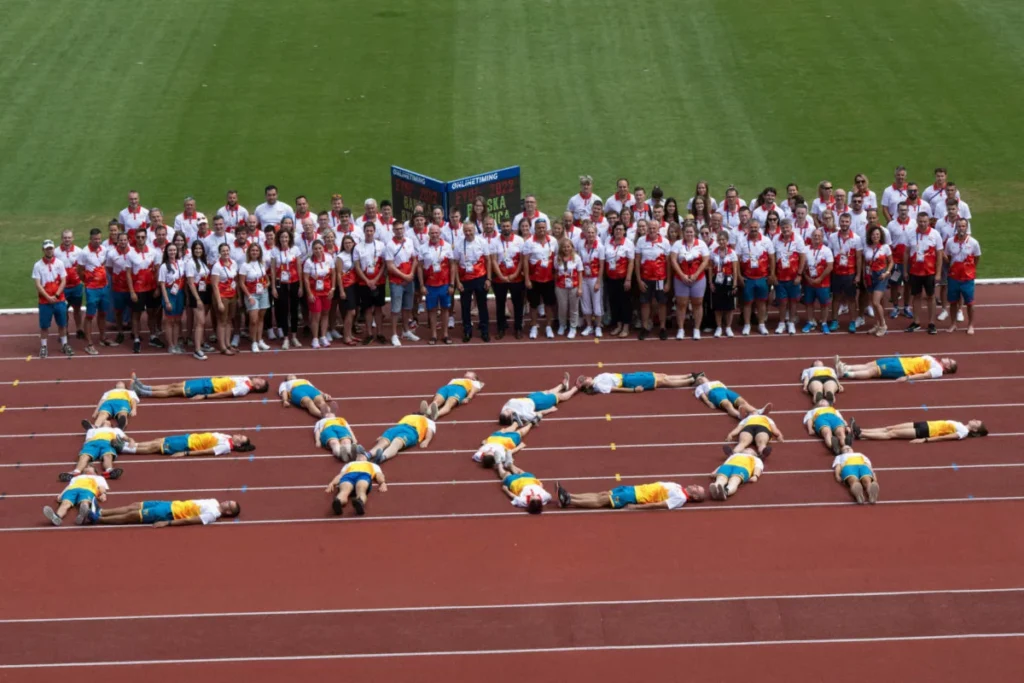
It is difficult to overlook the important news regarding the cooperation and joint effort of the two historic municipalities of Elis and Ancient Olympia toward a common goal: the co-hosting of the 59th International Children’s Games in 2027 for athletes aged 12–15 years old.
Setting aside for a moment the lack of sports infrastructure and facilities, as well as the poor maintenance of existing ones—issues that must be addressed immediately in any case—I must admit that I am not convinced that hosting these particular Games will succeed in “drawing the attention of the world to Olympia and Elis,” as some reports in the local press suggest.
In light of the above, I remain skeptical as to whether these Games, despite being recognized by the International Olympic Committee, will bring the prestige and distinction befitting the land that gave birth to the Olympic Games. After all, the organizational requirements are so limited that this alone appears to explain why the two municipalities together are able to undertake them. According to the official regulations, the minimum requirement for hosting the event is the organization of only athletics and swimming competitions.[1].For this reason, I do not believe it is coincidental that the International Olympic Committee does not organize these Games itself, even though these global youth competitions (ages 12–15) could theoretically be integrated with the already established and official Youth Olympic Games (ages 15–18), whether summer or winter editions, and be hosted in the same country, city, and facilities during the same period.
It is also telling that, according to published reports, no other city in the world is bidding to host the 2027 International Children’s Games. If this is the case, one may reasonably ask: what exactly are we celebrating?
From everything I have read and from the statements made by local officials, there appears to have been no serious cost-benefit assessment.
Do we know what legacy these Games have left in previous host cities, particularly in economic terms? Were the outcomes universally positive? Did they contribute to local development, or did they create financial obligations that communities are still struggling to meet?
If we were to ask the citizens of Elis, could they name even one city known for having hosted these Games? I doubt that even residents of the three Greek host cities—Sparta (1987), Patras (2003), and Athens (2009)—would clearly remember the event or identify any lasting impact it left on their collective memory.
Furthermore, I wonder whether the necessary feasibility, economic, and infrastructure studies were conducted before the municipalities proceeded with their bid. How can we be certain that this investment of considerable public funds will generate a meaningful return, and to what extent?
If such studies exist, they should be made public, so that everyone can be convinced that the region will genuinely benefit from hosting an event that, apparently, no other city in the world is seeking to host.
I would better understand this initiative if it were presented as the first step in a broader strategic plan leading toward a truly ambitious objective: the permanent hosting of the Summer Youth Olympic Games in Elis. However, neither the mayors nor their deputies have articulated such a vision, despite the fact that it has been discussed in the past and many believe that Elis, as a unified Olympic landscape, deserves such a role.
Many also believe that the International Olympic Committee should already have considered establishing the permanent venue of the Summer Youth Olympic Games in Elis. Yet, to my knowledge, no official bid has ever been submitted. Indeed, how could there be one when the region lacks critical infrastructure, and when Olympia—a name recognized throughout the world—still lacks a sports and conference center of sufficient scale to host major sporting and cultural events?
We recently witnessed the consequences of this longstanding failure once again, when the election of the President of the International Olympic Committee was hosted in Messenia rather than Elis, an outcome that exposed those who should have protected and promoted the prestige and historical significance of our region.
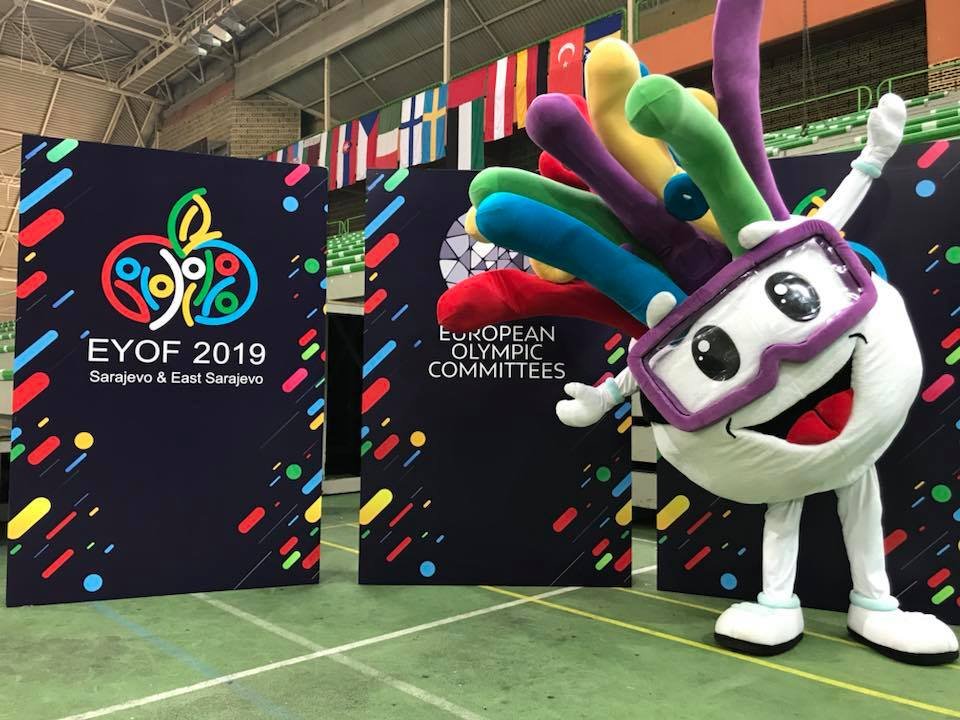
In my opinion, it would be more fitting for the Olympic Land of Elis to begin pursuing major international events by hosting a future European Youth Olympic Festival (EYOF). This is an official Olympic event and effectively serves as a lighter version and stepping stone toward the Youth Olympic Games. Summer editions of the EYOF attract approximately 3,600 young athletes, in addition to coaches, officials, and accompanying delegations.
The EYOF is described by the Hellenic Olympic Committee as:
“The first premier European multi-sport event for young athletes aged 14–18, held under the Olympic flag and rich in Olympic traditions, from the lighting of the flame to the athletes’ and officials’ oaths. The EYOF serves as a gateway to the Olympic Games, with many medalists later achieving success at the Olympic level. It is where many of Europe’s future sporting stars take their first steps onto the international stage, building relationships and gaining experiences that last a lifetime.”
Conclusion
The cooperation between the municipalities of Elis and Ancient Olympia is undoubtedly a positive development, and one can only hope that it proves mutually beneficial and rewarding for both communities.
However, the objective should have been more ambitious—one capable of driving sustainable development, upgrading the region, and firmly placing it on the map of authentic Olympic events, rather than events that merely enjoy the endorsement of the Olympic Movement.
At some point, we must stop setting the bar too low and congratulating ourselves for clearing it.
It is time to pursue the vision that our region truly deserves. It is time to demand the infrastructure that the State should have provided long ago, rather than settling for what already exists and leaves us among the least developed regions in Greece and Europe.
The time has come to give truly Olympic dimensions to our vision.
[1] https://icgames.org/organization/organization-regulations/ (29.03.2029)
[2] https://www.olympics.com/en/olympic-games/youth-olympic-games (29.03.2029)
[3] Οι επόμενοι, τέταρτοι κατά σειρά Ολυμπιακοί Αγώνες Νέων θα φιλοξενηθούν το 2026 στο Ντακάρ της Σενεγάλης στην Αφρική ι https://www.olympics.com/en/olympic-games/dakar-2026 ((29.03.2029))
[4] https://www.hoc.gr/other-games/european-youth-olympic-festival/ (29.03.2029)