
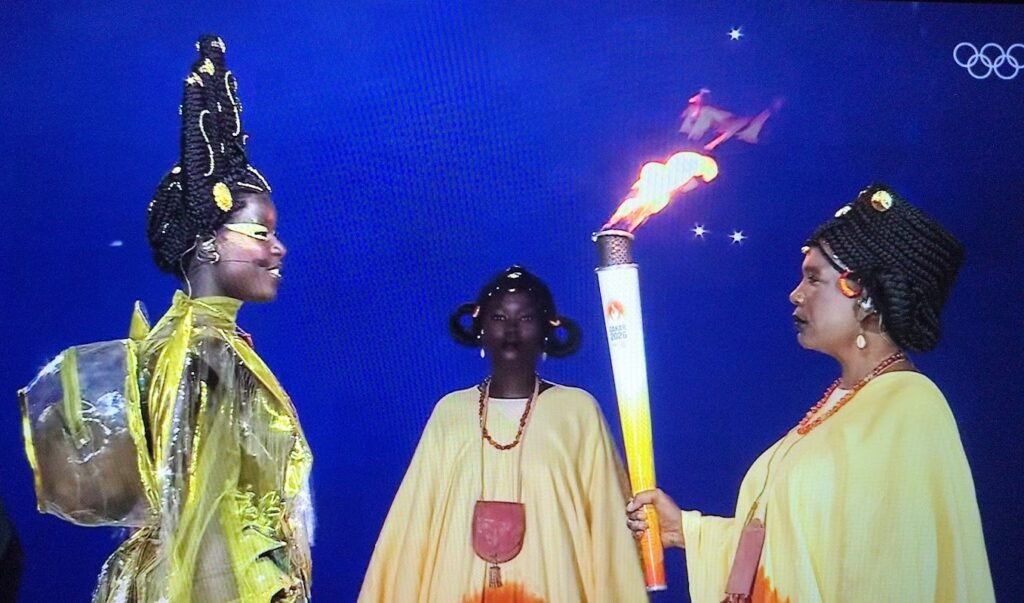
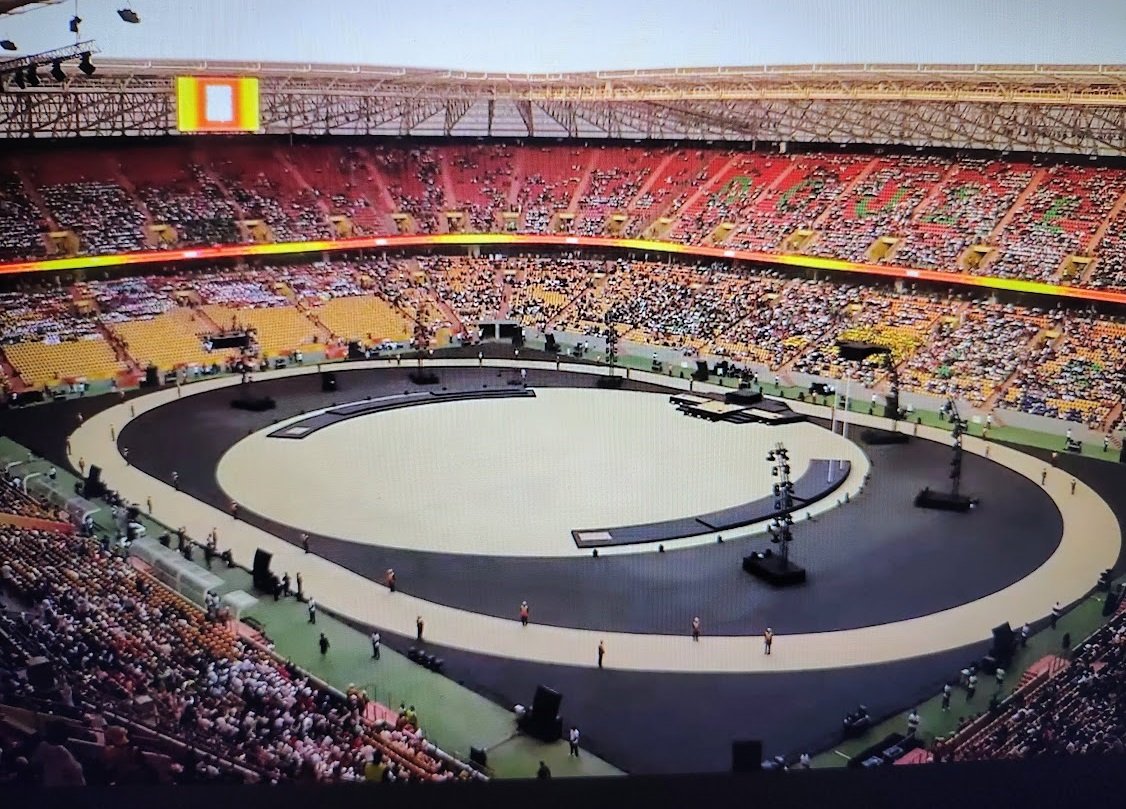
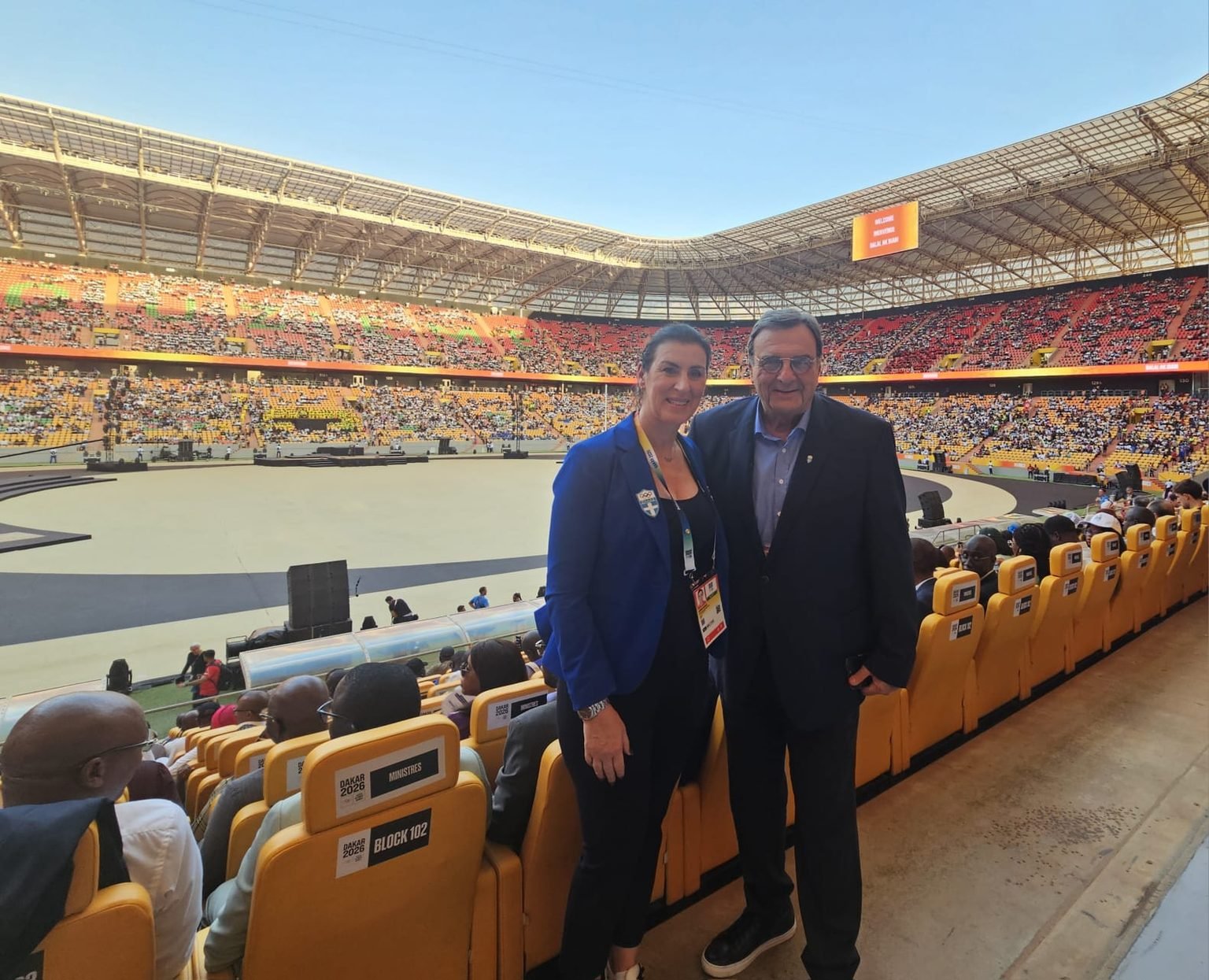
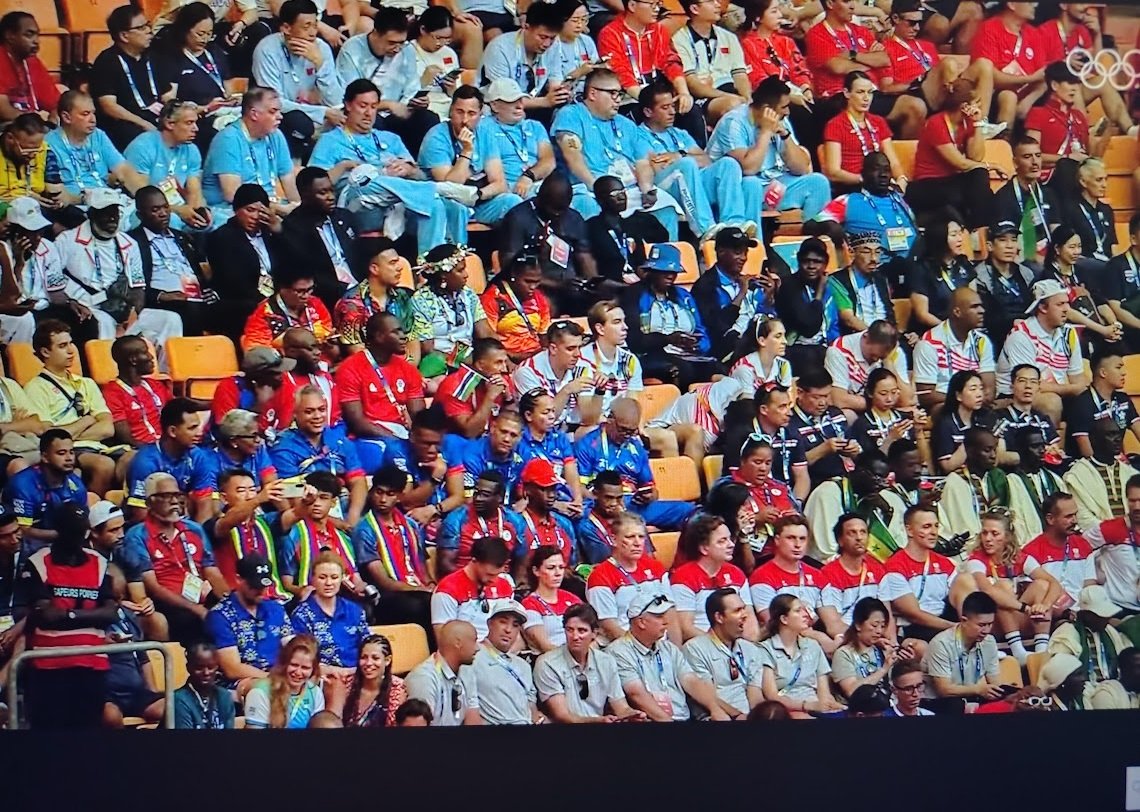
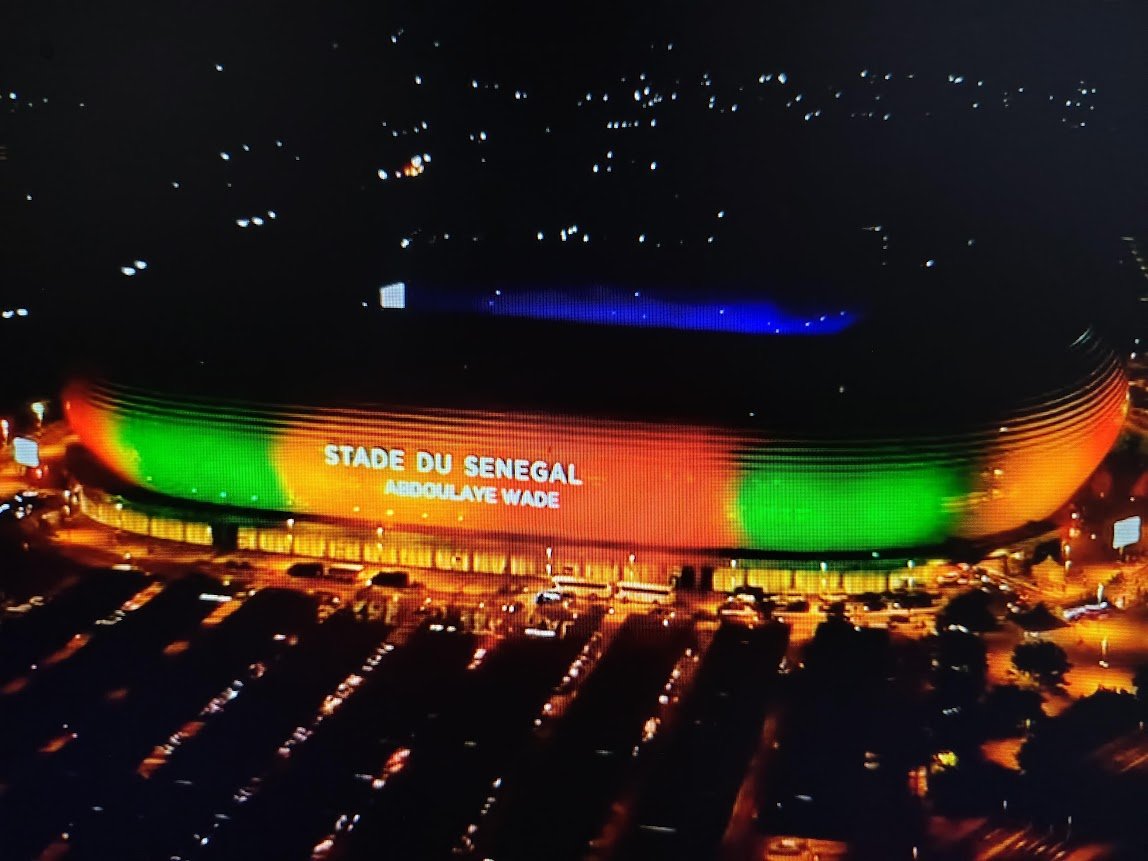
On the evening of 31 October 2026, Africa celebrated the opening of the Dakar 2026 Youth Olympic Games, the first Olympic sporting event ever hosted on the continent, with a spectacular ceremony filled with symbolism, emotion and messages of unity.
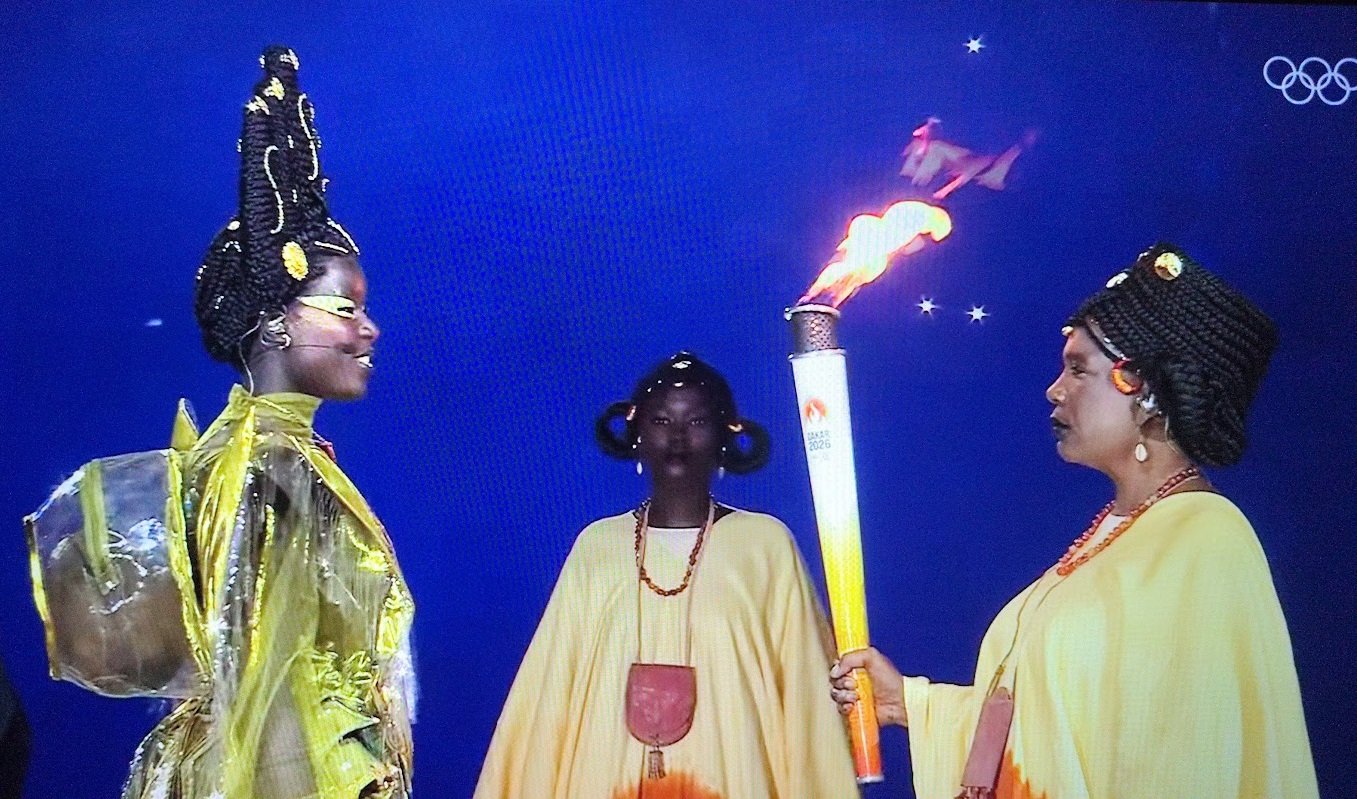
At the heart of the artistic narrative was the “Olympic” Flame, presented as a symbol of hope, peace and the transmission of cultural heritage from one generation to the next.
Yet this “Olympic Flame” was never lit in Ancient Olympia!
Instead, it was lit on 10 September 2026 at the Panathenaic Stadium in Athens before travelling to Senegal, where it toured all 14 administrative regions of the country. Not a single other African country! An event promoted as a celebration of the entire African continent saw its actual torch relay confined to the borders of the host nation.
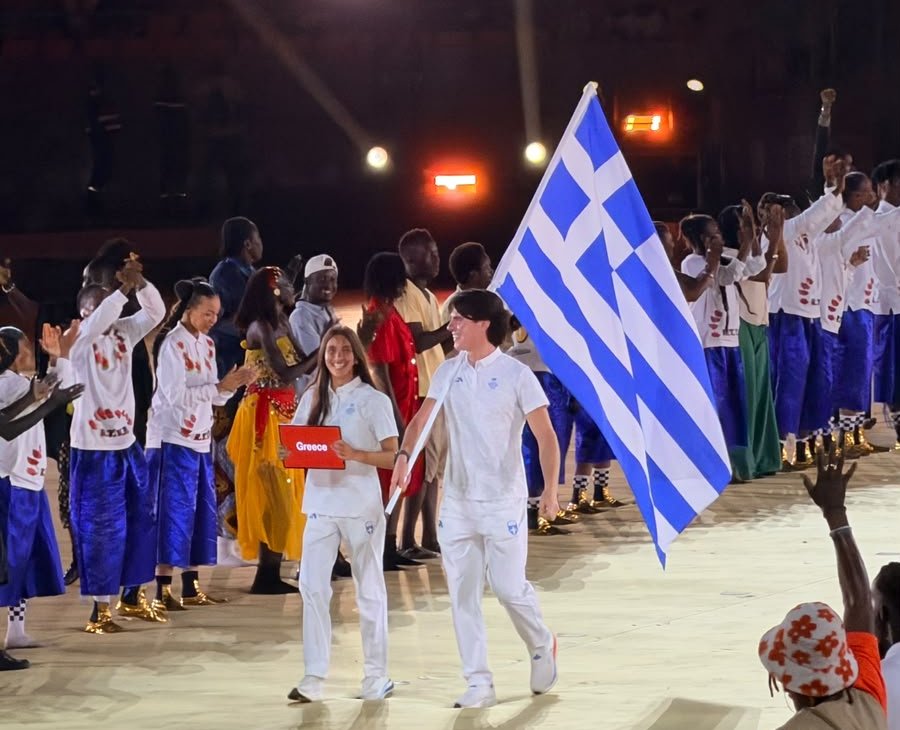
In an article published on its website following the ceremony, the Hellenic Olympic Committee rightly celebrates the honour of the Greek delegation leading the athletes’ parade. Yet it devotes not a single word to the origin of the flame that played such a prominent role in the ceremony!
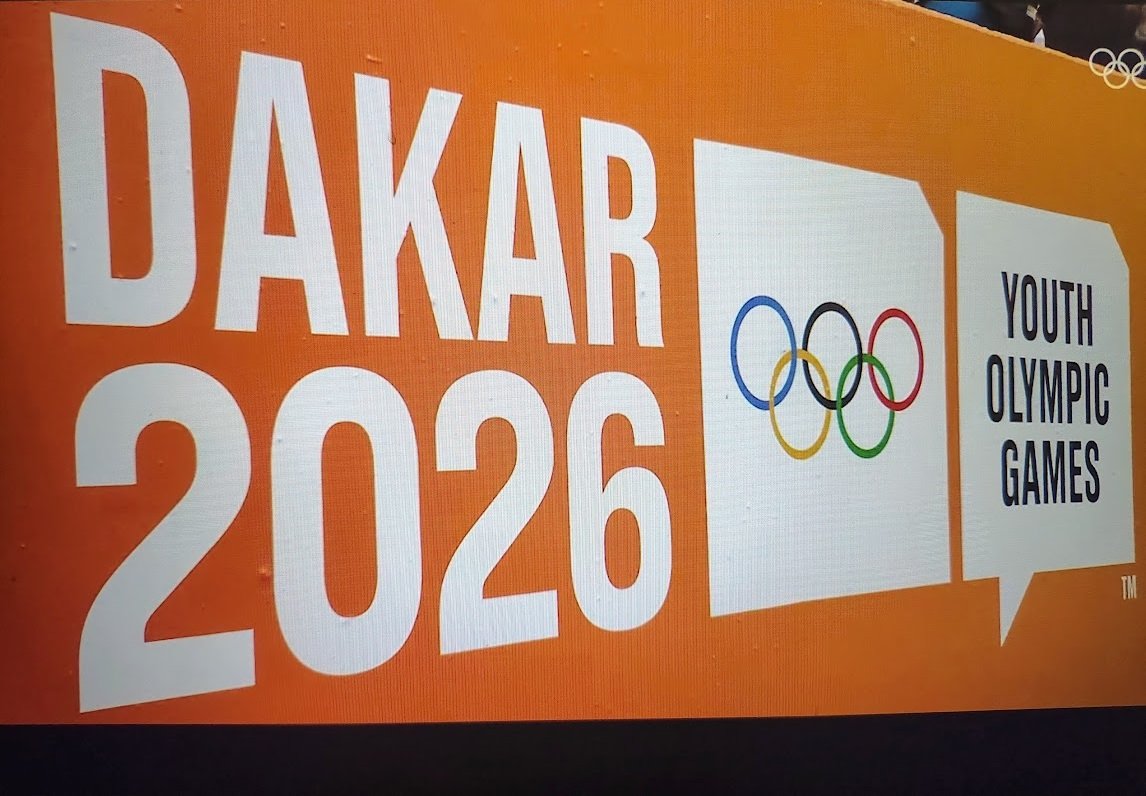
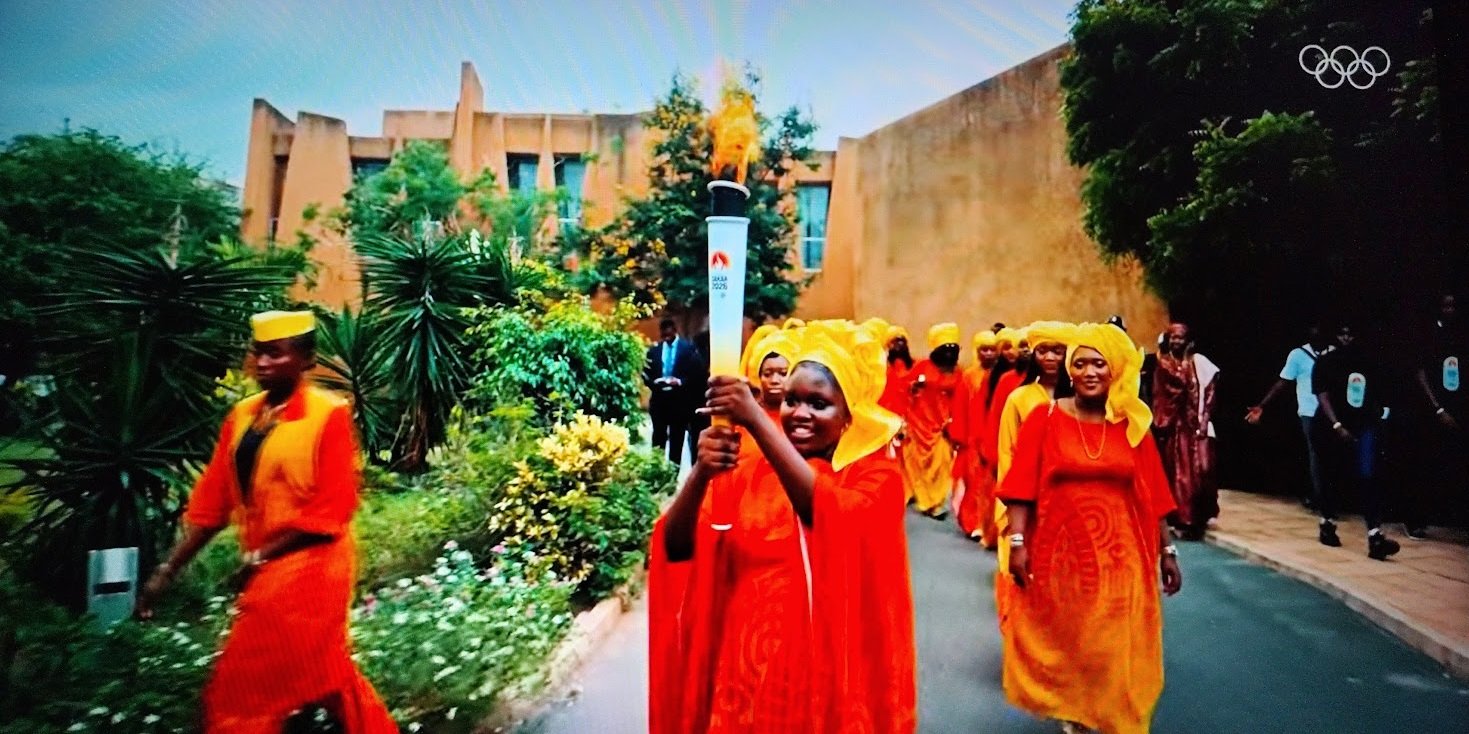
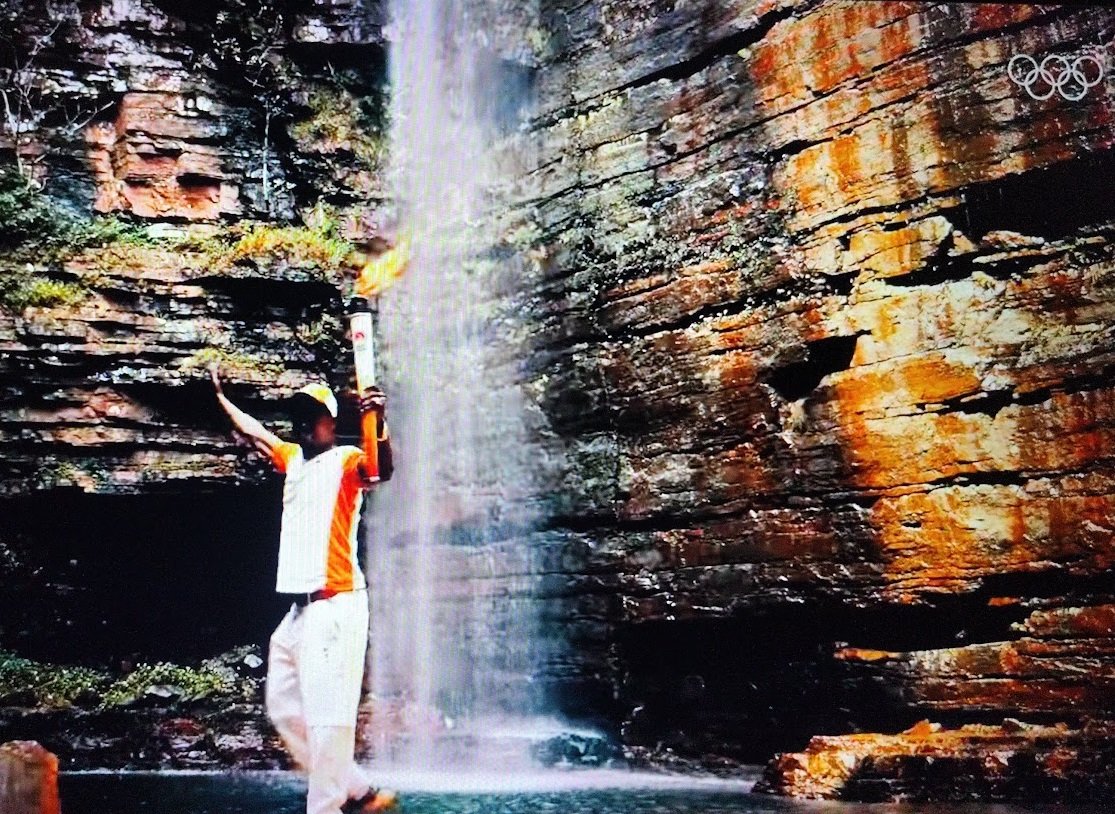
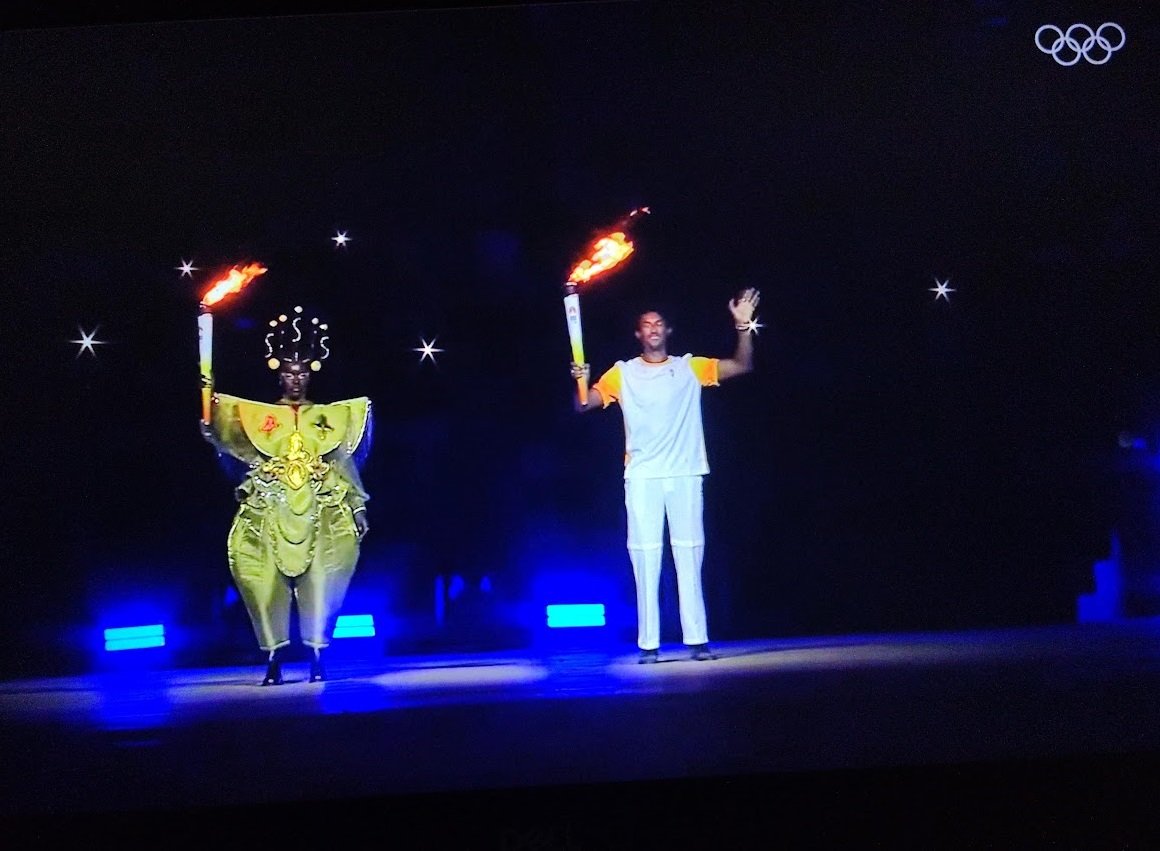
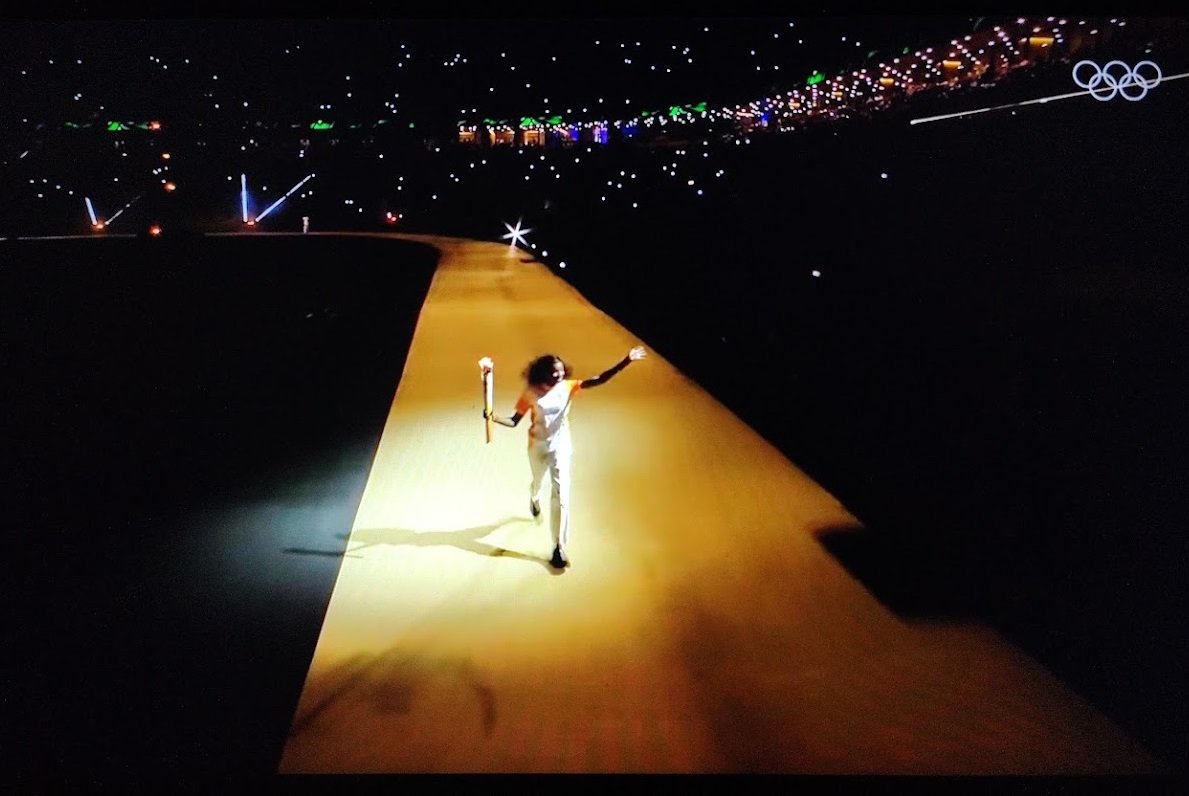
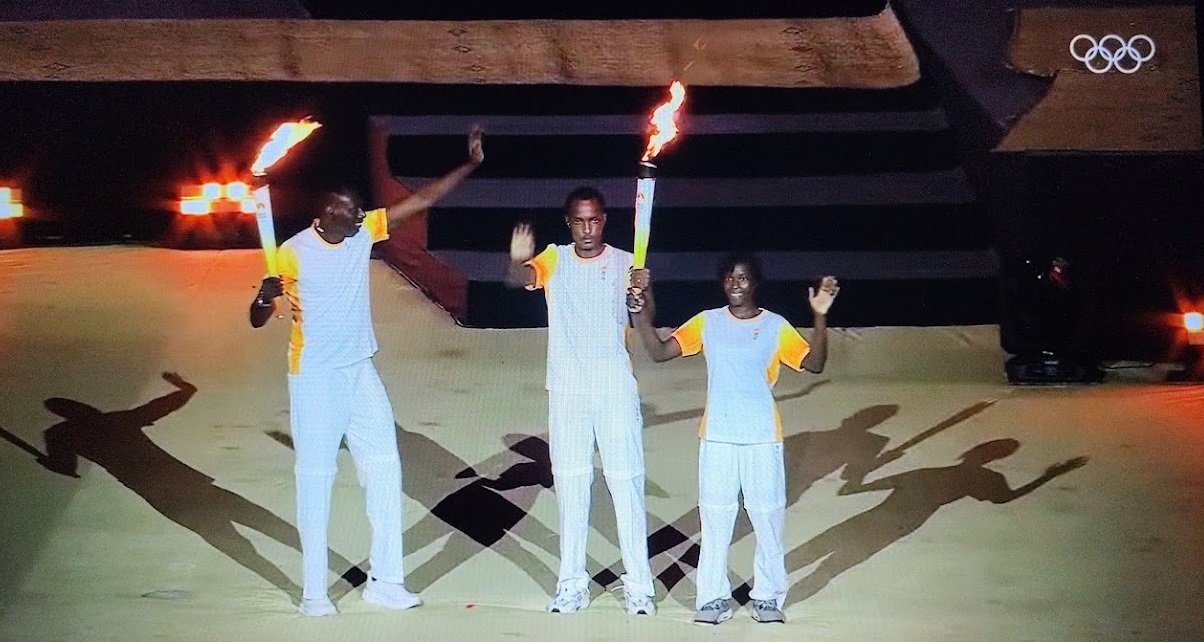
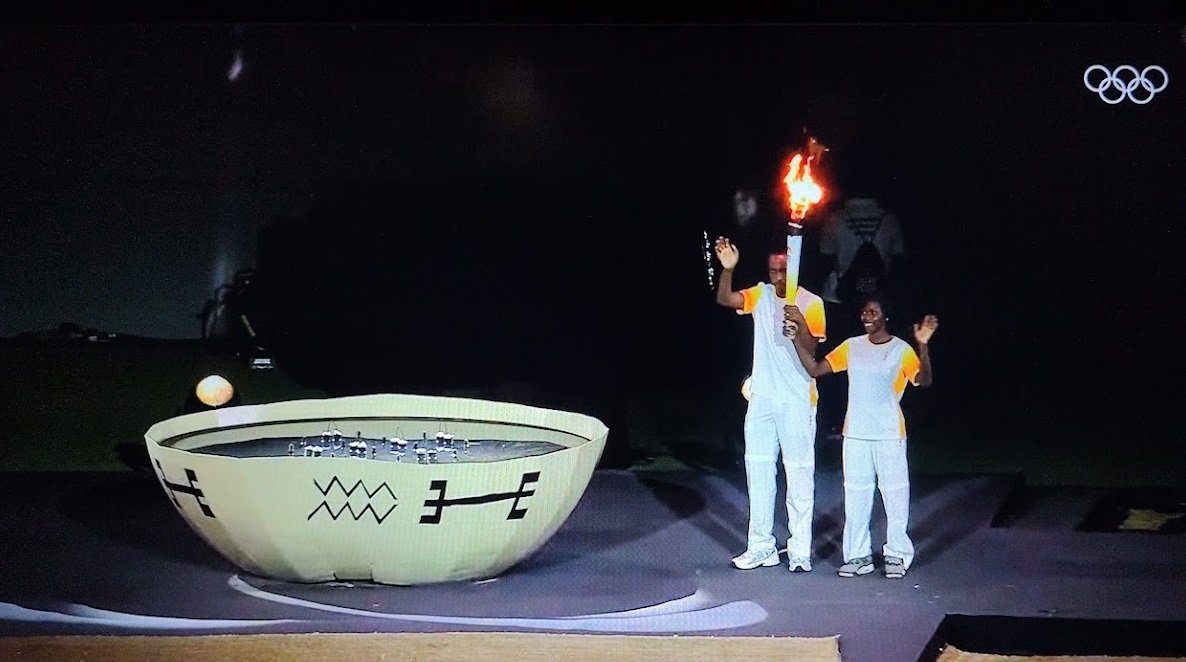
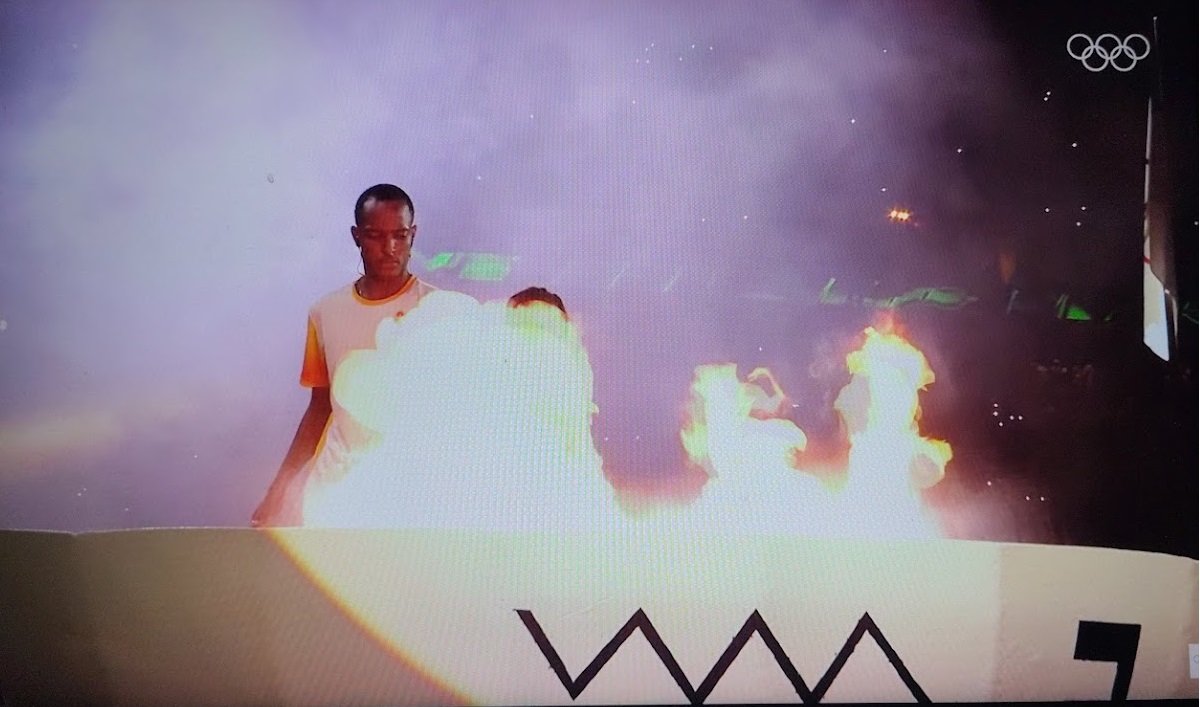
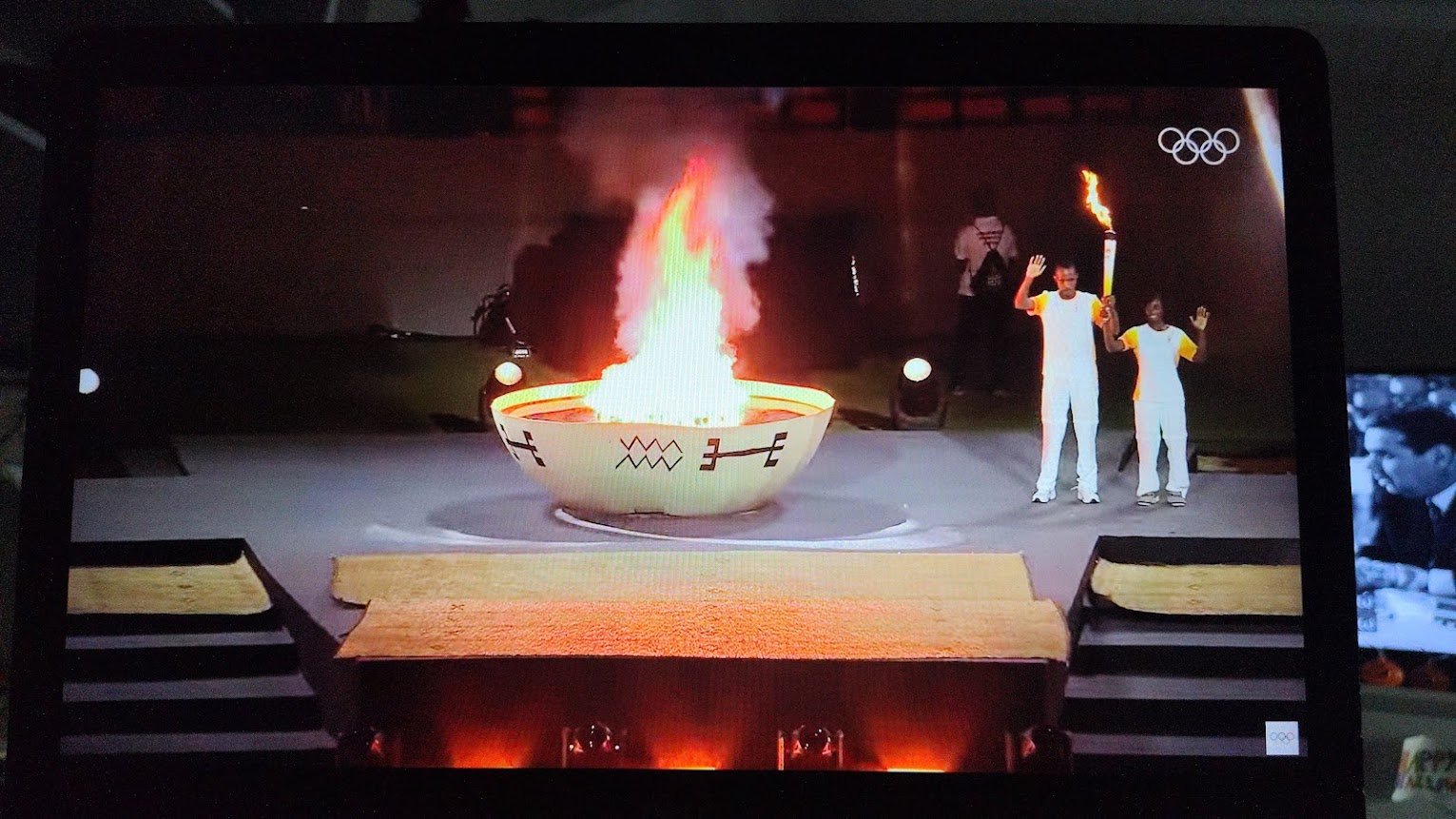
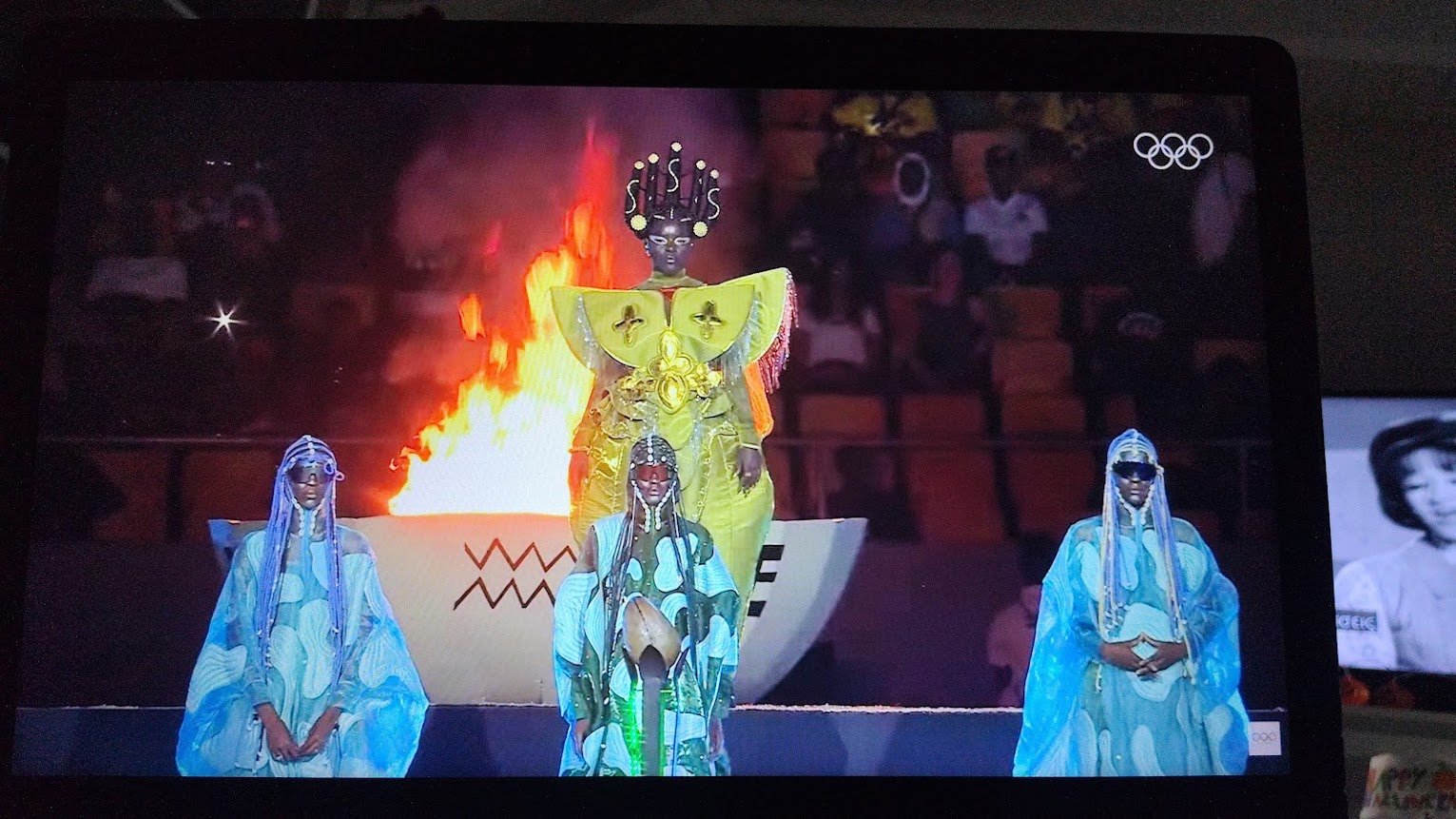
Since 2012, I have written numerous articles and countless social media posts addressing the burning issue, both literally and figuratively, of the Olympic Flame, its authenticity and the gradual erosion of its symbolic significance.
Unfortunately, each new event adds another chapter to this ongoing story of institutional arbitrariness and symbolic confusion.
How many “Olympic Flames” are there, after all? Which one is authentic, and which are its imitations?
And what remains of the unique significance of Ancient Olympia if the International Olympic Committee can designate virtually any flame, lit anywhere, as “Olympic”, attributing to it precisely the same meanings and symbolism?
I do not question the emotional power of the opening ceremony or the universal values it sought to convey.
What I question is the conduct of those responsible for governing the Olympic Movement. Rather than safeguarding the uniqueness and historical identity of this symbol, they reproduce it at their discretion, creating parallel ceremonial traditions and generating confusion among audiences worldwide.
The IOC’s official recognition of a flame does not automatically make it historically and ceremonially equivalent to the flame lit in Ancient Olympia.
The Olympic Flame is not a public relations product to be manufactured and replicated according to the needs of each new event.
It is high time for the International Olympic Committee and the Hellenic Olympic Committee to provide a clear answer:
Do they genuinely intend to safeguard the Olympic heritage, or are they prepared to turn even the Olympic Flame into yet another disposable spectacle?
Watch the October 31st opening ceremony and highlights here:
*Με επικουρική συμβολή της Τεχνητής Νοημοσύνης (ΤΝ) στη γλωσσική και συντακτική επιμέλεια.