
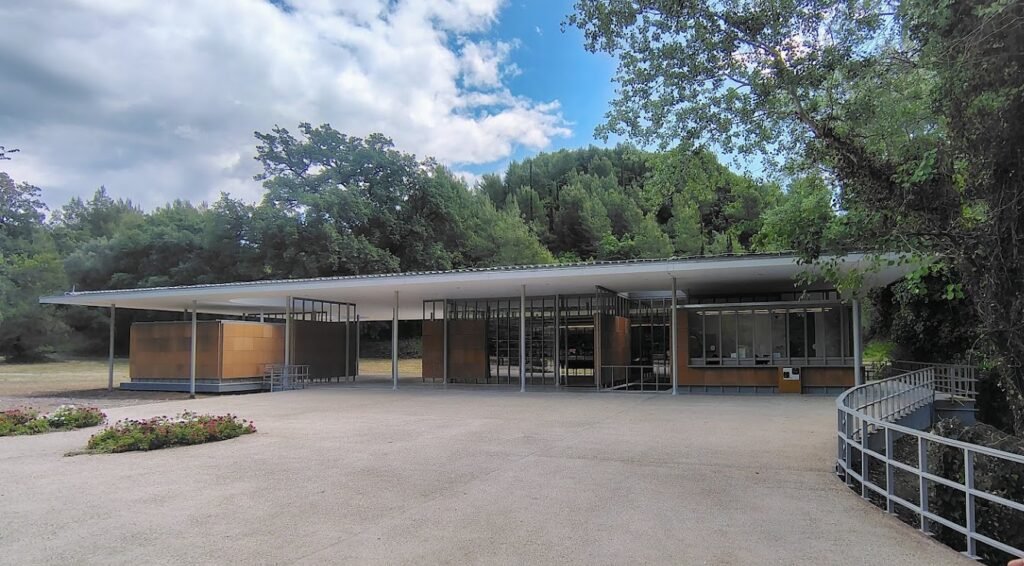
The ongoing public consultation on the new bill proposed by the Hellenic Ministry of Culture has raised serious concerns. Among other provisions, the bill introduces the establishment of the “Hellenic Cultural Heritage Development and Management Organization S.A.”, a new corporate entity that will assume responsibilities related to the management and “development” of cultural heritage resources.
Despite being introduced during the summer period, the proposal has generated considerable unrest within the archaeological and cultural heritage community.
Official statements issued by employee associations within the Ministry of Culture, including the Association of Greek Archaeologists (SEA), express strong opposition to the proposed model and provide detailed arguments concerning its implications for the public management of monuments and archaeological sites.
The main concerns raised include:
Increased Financial Burden on Citizens
Critics argue that the emphasis on revenue maximization has already led to substantial ticket price increases. A notable example is the abolition of the unified archaeological ticket in Athens, which increased the cost of visiting major sites from €30 to €103. The removal of reduced winter pricing is also seen as limiting access for Greek citizens.
Outsourcing of Core Functions
Key operations—such as ticketing services at major archaeological sites including the Acropolis, Olympia, Delphi, Epidaurus and Lindos, the management of cafés and refreshment facilities, and the operation of new museum shops—are increasingly assigned to private contractors. Concerns have also been raised regarding the deterioration of employment conditions and the expansion of outsourced labor.
Commercial Use of Historic Sites
Strong objections have been expressed regarding the organization of exclusive private events and high-cost dinners in monuments and memorial sites of particular historical significance, such as Spinalonga and Eptapyrgio. Critics argue that such practices undermine the public, social and inclusive character of cultural heritage.
Lack of Public Accountability
According to the Association of Greek Archaeologists, the proposed company will operate for a period of fifty years outside the framework of the public accounting system. Its Board of Directors will be granted extensive powers, including the ability to modify its statutes and competences without parliamentary scrutiny. At the same time, the existing archaeological resources management body will be required to finance a significant portion of its operational costs.
Weakening of Public Archaeological Services
Instead of filling hundreds of existing permanent positions through transparent public recruitment procedures, the proposed model appears to rely increasingly on external consultants for administrative, financial and even scientific work, potentially eroding the expertise and institutional capacity of public cultural services.
I fully align myself with the position expressed by cultural heritage professionals that cultural heritage is a constitutionally protected public good and a fundamental right belonging to all citizens. It is not a commodity to be sold, nor an investment portfolio to be managed for profit. It is our shared memory, a source of knowledge, identity, and democratic values.
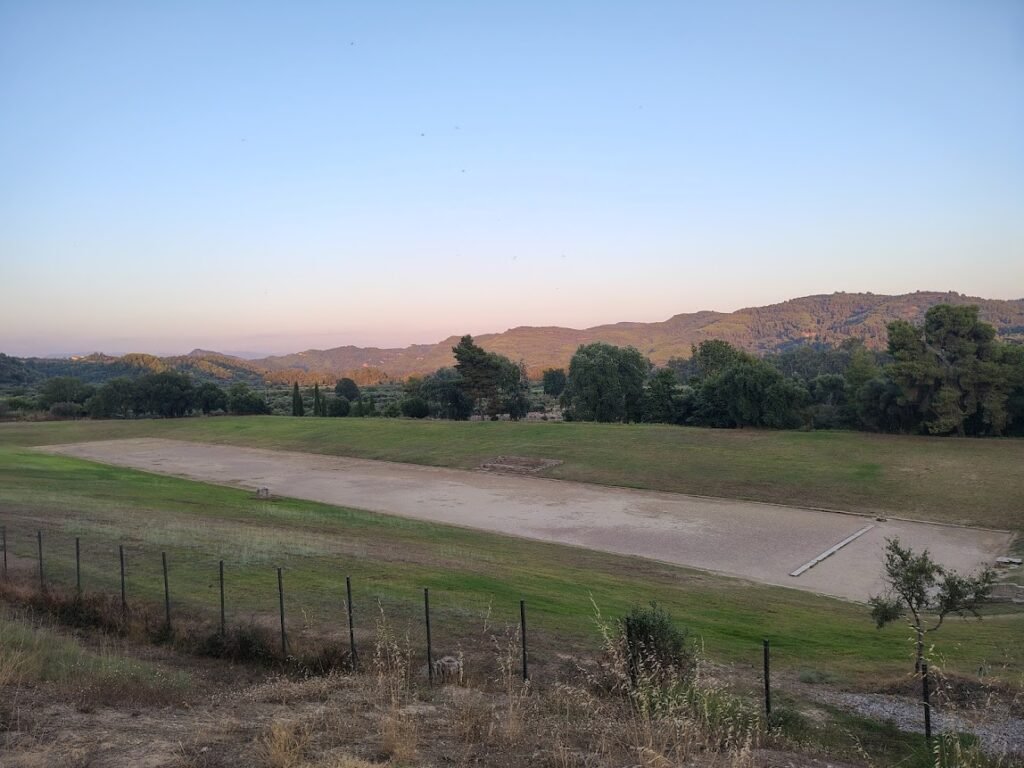
What philosophy will guide the future management of our monuments?
The creation of a corporate entity responsible for the “utilization,” revenue management and operational planning of cultural heritage inevitably raises critical questions:
- Will the protection of monuments remain the primary objective, or will economic performance gradually become the dominant criterion?
- Will decisions continue to be guided exclusively by scientific and social considerations, or will they increasingly reflect commercial priorities?
- Will major monuments such as Olympia, the Acropolis and Knossos continue to support the wider cultural heritage network of the country, or will priority be given only to sites generating significant revenue?
- To what extent will this transformation affect the public nature of cultural heritage and citizens’ equal right of access?
The greatest concern is that the very way we perceive monuments may be changing—from public goods preserved for future generations into assets expected to generate economic returns.
This is not merely a debate about administrative structures. It concerns the future relationship between society and its historical memory.
Cultural heritage is not a commodity. It is a common good, and it is our responsibility to safeguard it as such.
Konstantinos V. Antonopoulos
Archaeologist, Ephorate of Antiquities of Elis
Board Member, Western Greece Branch of the Association of Greek Archaeologists